For most of my life, I believed that if something needed to be done, I would just do it.
Not because I was trying to prove anything. It simply felt natural. I grew up watching it modeled that way — my mother working, studying, managing the house without complaint; my father doing the same, rarely asking for help. Somewhere between observing them and becoming an adult myself, I absorbed the idea that capability meant self-sufficiency. That handling things alone was not only possible, but expected.
So when my husband left for Canada in July 2024 because of work/visa, I didn't panic. We had bought our house in 2022. Life felt settled. Structured. I told myself this was just a phase, that distance was inconvenient but manageable. I didn't think of it as a rupture. Just an adjustment.
The Illusion of Fine
For the first several months, I genuinely believed I was doing fine.
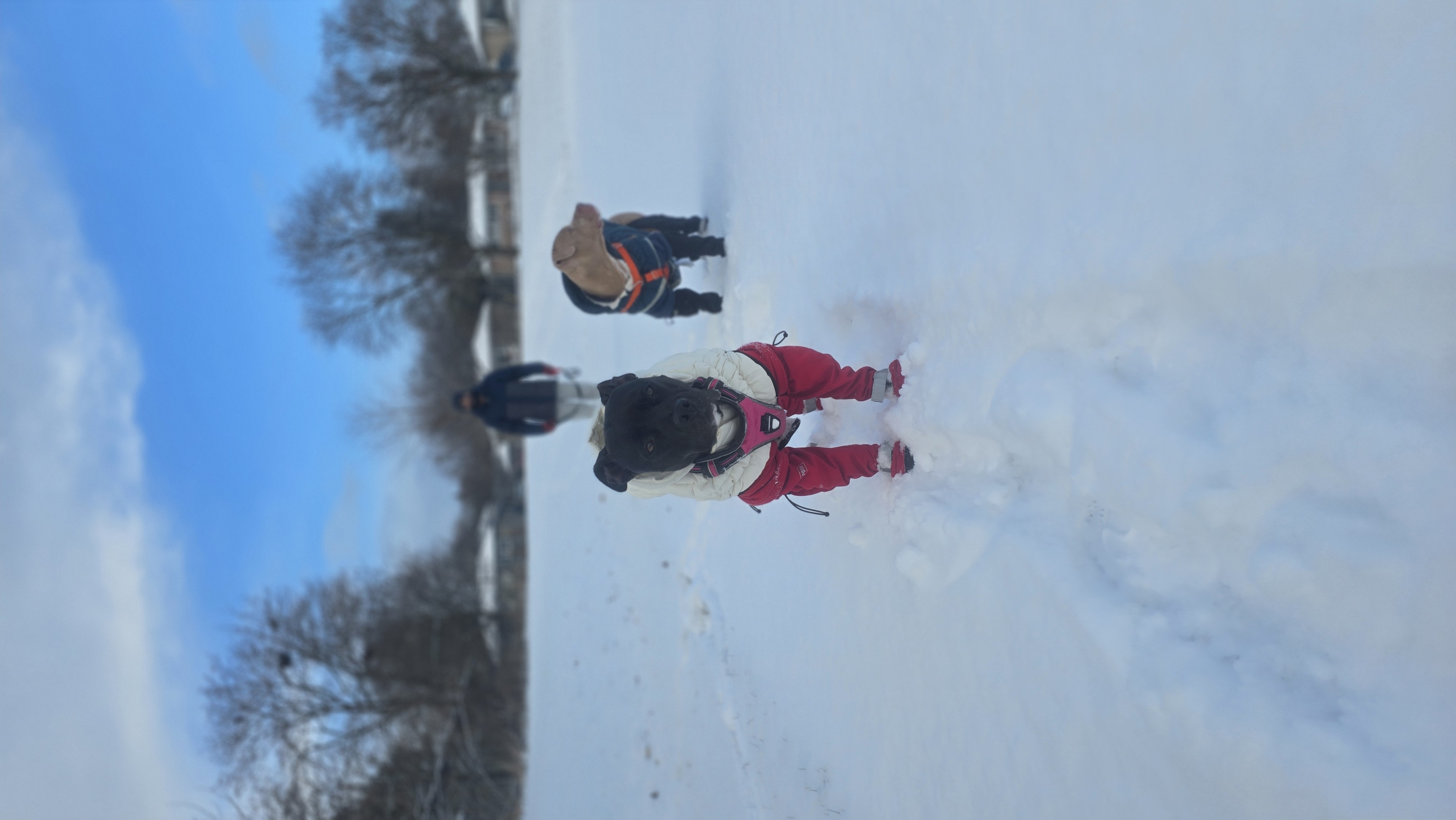
I worked my nine-to-five. I took care of the house. I went to the gym. I cooked. I gardened — tomatoes, bell peppers, gourds — the kind of slow, grounding work that makes you feel competent and rooted. I cared for our dogs, who are not pets so much as small beings who organize my day around them. I kept up with the hundred-plus indoor plants that quietly depend on routine and attention.
There was even a sense of pride in it.
Look at me, I thought. I can do all of this.
And for about ten months, I did.
The Quiet Drift
What I didn't account for was how distance changes things in quieter ways. Long-distance relationships aren't dramatic all the time. They don't always break loudly. Sometimes they just drift slightly out of sync.
After a few months, we weren't always on the same wavelength. He was missing home and coping by throwing himself into work, trying to stay busy so the longing wouldn't catch up with him. I, on the other hand, was so consumed by daily responsibilities that there was barely space to think about anything else. We talked. We stayed connected. But we were often tired in different ways.
And yet, beneath all of it, I missed him constantly. Not in a way that stopped my day, but in a low, persistent hum — the absence of a partner to share small moments with, to lean on without explanation. Distance teaches you that love can remain steady even when everything else feels misaligned.

What I didn't notice at first was how little space I was leaving for myself inside all of it. There was always something that needed doing next, and I moved from one responsibility to another without pausing long enough to ask how I felt about it. That question didn't seem important. I had energy. I had discipline. I had momentum.
Then, slowly, that momentum thinned.
The Tiredness That Sleep Won't Fix
The tiredness crept in quietly. Not the kind you fix with sleep, but the kind that settles into your body and stays. I would wake up already exhausted. Small tasks began to feel heavy. I caught myself fantasizing about leaving — not in a dramatic way, not about abandoning people — but about disappearing for a while. About not being needed.
I kept telling myself I was just in a phase. That I needed better systems. Better schedules. I made timetables. Reorganized routines. Tried to optimize my days. None of it helped, because the problem wasn't time management.
The problem was absence.
And loneliness.
And the weight of carrying everything without relief.
The Breaking Point
After a year, something inside me gave out.
I didn't collapse. I didn't cry endlessly. I simply stopped. I did the bare minimum. Things that weren't urgent no longer registered. If something wasn't actively on fire, it didn't get my attention. My husband noticed. He was confused, hurt even, that things were being ignored. I struggled to explain it to him, because from the outside it probably looked like I had just stopped trying.
But the truth was that I had been trying for too long without rest.
Throughout this entire time, he had been telling me something I wasn't ready to hear: You don't have to do everything yourself. I nodded when he said it. I agreed in theory. But I didn't internalize it. Somewhere deep down, I still believed that asking for help meant failing at something I should be able to handle.
I learned otherwise the hard way.
Redefining Strength
Now, I live by a quieter rule. When something comes up — something that isn't essential, something that can be delegated — I ask myself what it costs. Not just financially, but emotionally. How much energy will this take from me? What will it leave me without?
Sometimes that means outsourcing grocery shopping. Sometimes it means hiring help for gardening. Sometimes it means choosing rest over perfection, or accepting that on an overwhelming day, the dogs get one walk instead of two and the world does not end.
The hardest part was releasing the guilt. The voice that says you should be doing more, doing better, doing everything. I had to learn to say no — not just to other people, but to that voice in my head that equated worth with endurance.
The Lesson That Stayed
This past year and a half changed me because it forced me to confront a belief I had never questioned: that strength looks like carrying everything alone.
It doesn't.
Sometimes strength looks like stopping. Like choosing yourself before you are emptied out. Like understanding that doing the bare minimum, when that's all you have, is not failure — it's care.
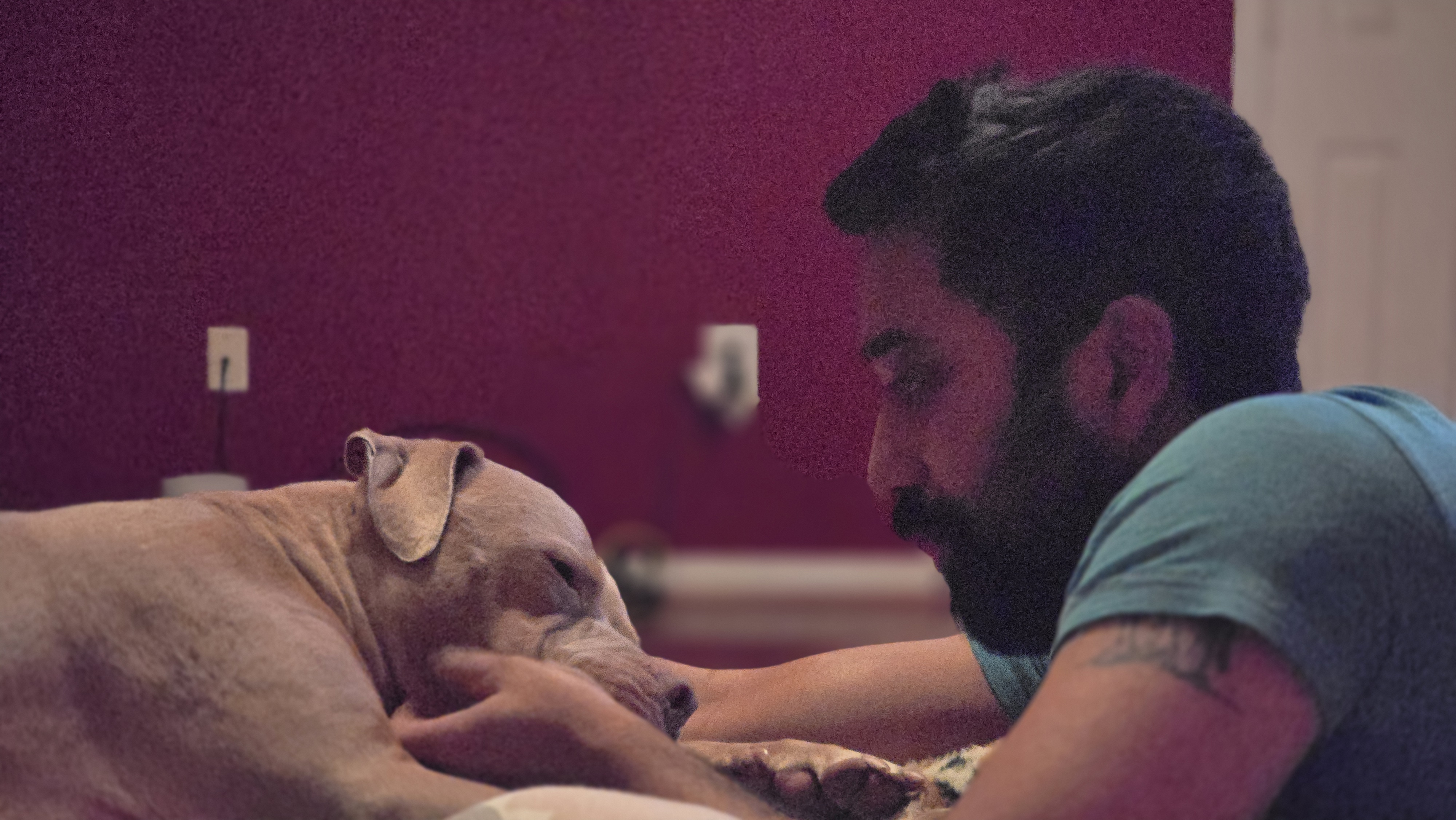
And through distance, misalignment, exhaustion, and quiet missing, one thing stayed constant: love. Not loud, not perfect — just present, waiting patiently for the space to breathe again.
That lesson is one I know will stay with me.
Join the Conversation
Share your thoughts on this reflection.